
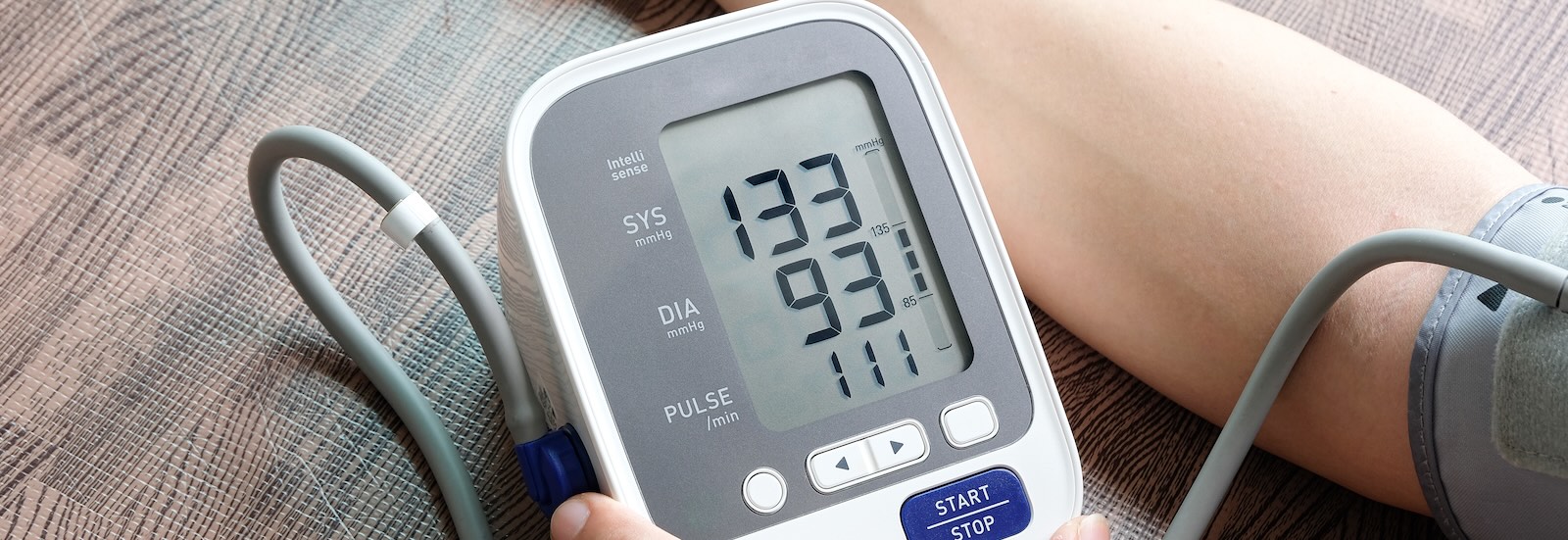
High blood pressure, or hypertension, is a common but serious condition in which the force of blood against the walls of the arteries is consistently too high. Over time, elevated blood pressure can damage blood vessels, increase the risk of heart attack, stroke, heart failure, and contribute to coronary artery disease (CAD). Often called the “silent killer,” hypertension may present with no symptoms for years, which is why regular monitoring and early intervention are critical. At Premier Cardiology, our team specializes in diagnosing, managing, and treating high blood pressure to protect long-term cardiovascular health. Untreated hypertension can lead to serious complications.
Types of High Blood Pressure
- Primary (essential) hypertension – Develops gradually with no identifiable cause and is the most common form
- Secondary hypertension – Results from an underlying condition such as kidney disease, hormonal disorders, or certain medications
Risk factors
Hypertension can develop due to multiple factors, including:
- Age (risk increases with age)
- Family history of high blood pressure
- Obesity
- Sedentary lifestyle
- High sodium diet
- Excessive alcohol intake
- Stress
- Smoking
Symptoms of High Blood Pressure
Many people with hypertension experience no symptoms, which is why routine screenings are essential. When symptoms do occur, they may include:
- Headaches
- Dizziness or lightheadedness
- Shortness of breath
- Chest discomfort (Angina / Chest Pain)
- Fatigue
- Blurred vision
Diagnosis
Diagnosing high blood pressure involves measuring blood pressure at multiple visits. We may also recommend additional tests to assess the impact on the heart and blood vessels:
- Blood tests – Evaluate kidney function and electrolyte balance
- EKG – Detects heart rhythm abnormalities (Atrial Fibrillation)
- Echocardiogram – Assesses heart structure and function
- Stress Test – Evaluates heart performance under physical exertion
- Cardiac CT Scan – Identifies arterial calcification or plaque buildup
Treatment Options
Treatment depends on the severity of hypertension and associated health conditions.
Lifestyle Modifications
- Heart-healthy diet low in sodium and saturated fats
- Regular aerobic exercise
- Weight management
- Limiting alcohol intake
- Smoking cessation
- Stress reduction techniques
Medications
For patients who require additional support, medications may include:
- Diuretics (to remove excess fluid and sodium)
- ACE inhibitors or ARBs (to relax blood vessels)
- Beta-blockers (to reduce heart rate and workload)
- Calcium channel blockers (to relax arteries)
- Aldosterone antagonists (in some instances)
Monitoring and Follow-Up
Consistent monitoring is key. Patients may use home blood pressure monitors and schedule regular follow-up visits to ensure treatment is effective. Controlling blood pressure reduces the risk of heart attack, stroke, heart failure, and CAD.
Preventing Complications
Managing high blood pressure involves addressing lifestyle factors, adhering to medication, and regular monitoring. Early intervention can prevent long-term damage to the heart, kidneys, and blood vessels, significantly improving overall health and quality of life.