
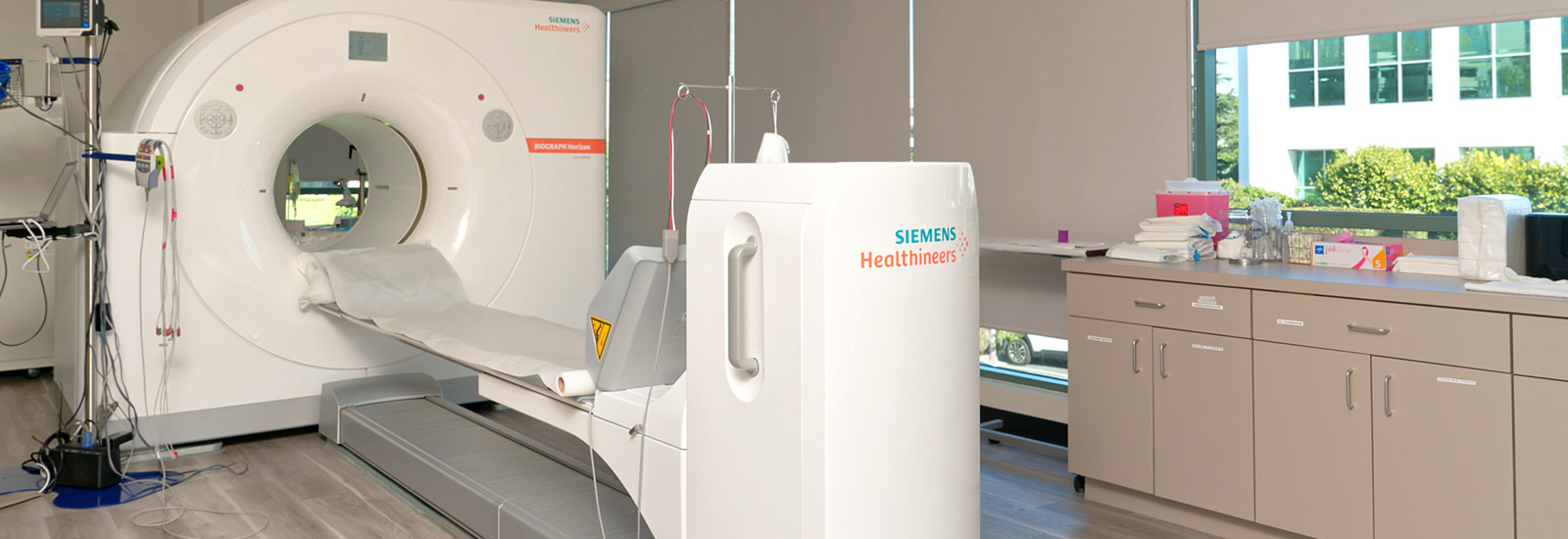
A Cardiac PET Scan (Positron Emission Tomography) is an advanced imaging test that evaluates blood flow to the heart muscle and detects areas of reduced perfusion or damage. Unlike other imaging modalities, a PET scan provides detailed functional information about heart tissue, making it highly effective for diagnosing coronary artery disease (CAD), assessing heart function after a heart attack, and guiding treatment planning.
At Premier Cardiology, Cardiac PET scans are used alongside other diagnostic tools like EKG, Stress Test, and Echocardiogram to provide a comprehensive understanding of cardiac health.
Why a Cardiac PET Scan Is Recommended
Your cardiologist may recommend a cardiac PET scan if you have:
- Chest pain or angina
- Suspected coronary artery disease
- History of heart attack or myocardial infarction
- Abnormal results from a Stress Test, EKG, or Echocardiogram
- Need to evaluate blood flow before interventional procedures like angioplasty and stenting, TAVR, or CABG
- Persistent symptoms despite normal findings on other imaging tests
PET scans are particularly useful for patients with complex cardiac histories, diabetes, or multiple risk factors, as they provide precise information about the viability of heart tissue and areas at risk for ischemia.
How the Procedure Works
A Cardiac PET scan is non-invasive and involves the following steps:
- A small amount of radioactive tracer is injected into a vein, which travels to the heart.
- You lie on a scanning table while a PET camera detects the tracer, producing detailed images of blood flow and heart tissue.
- A Stress Test may be performed simultaneously, either with exercise or medication, to evaluate how blood flow changes under stress.
- Images are analyzed by the cardiologist to detect areas of reduced perfusion, scar tissue, or abnormal metabolism.
The procedure is painless, safe, and usually takes 1–2 hours depending on whether a stress component is included.
What a Cardiac PET Scan Can Detect
Cardiac PET scans provide detailed functional information about the heart, including:
- Areas of reduced blood flow or ischemia
- Scar tissue after a heart attack
- Viability of heart muscle before revascularization procedures
- Coronary artery disease severity
- Response to medications or previous interventions
- Guidance for procedures such as angioplasty and stenting, TAVR, or CABG
By combining structural and functional data, cardiac PET allows cardiologists to make informed treatment decisions and improve patient outcomes.
Benefits of Cardiac PET Scanning
- Non-invasive and highly accurate
- Provides both structural and functional assessment of the heart
- Detects areas of ischemia or damaged tissue
- Guides personalized treatment and intervention strategies
- Helps assess risk and plan preventive measures for patients with CAD
After the Test
Patients can typically resume normal activities immediately following a PET scan. Your cardiologist will review the results and discuss next steps, which may include:
- Adjusting medications for coronary artery disease or heart failure
- Further testing such as Cardiac MRI, CT Scan, or Cardiac Catheterization
- Planning interventional procedures if necessary
- Lifestyle recommendations for cardiovascular health
At Premier Cardiology, cardiac PET scans provide essential insight into heart function and tissue viability, supporting accurate diagnosis, effective treatment, and long-term heart health management.