
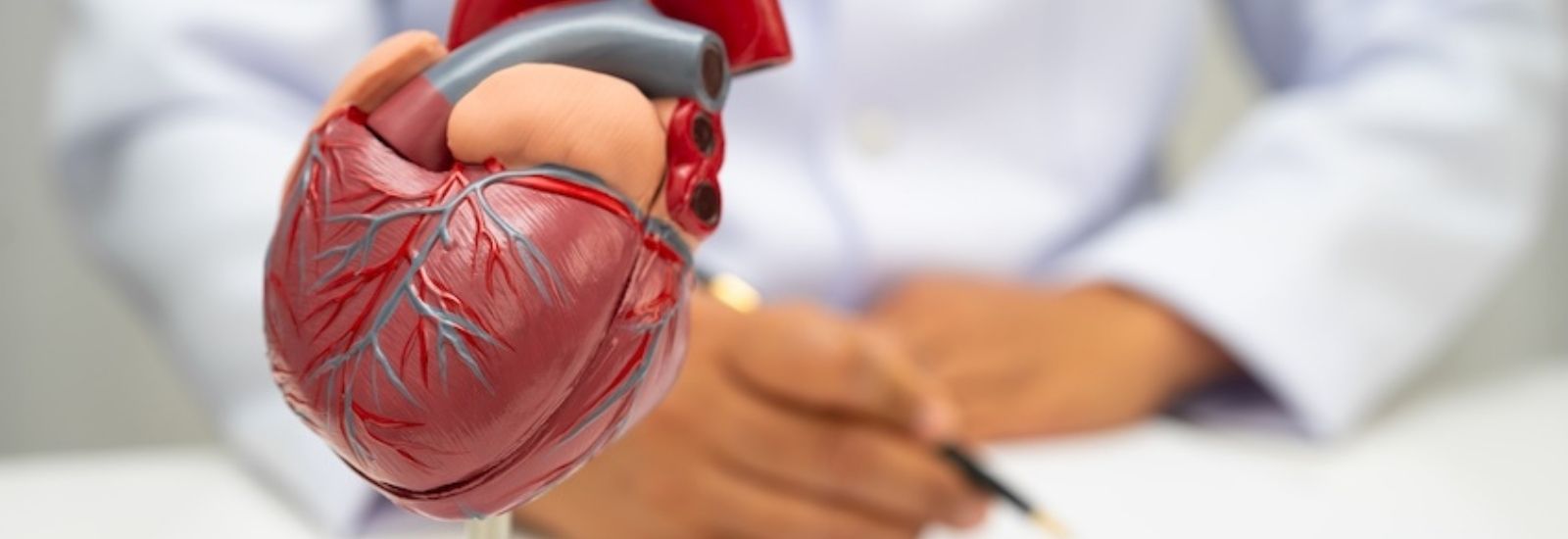
There are three (3) categories or levels of Prevention:
- Primary Prevention (No diagnosis of Heart Disease)
- Secondary Prevention (Diagnosis of Heart Disease)
- Tertiary Prevention (After a Heart Attack or Heart Surgery)
Many of the steps for optimal heart health are the same–they may simply differ in the aggressiveness of control and in the case of Tertiary Prevention, some form of Cardiac Rehabilitation may be recommended
In every case, the following are recommended:
Stop Smoking/Using Tobacco Products
Your Premier Cardiologist can assist you and offer additional resources for a Tobacco-Free Lifestyle
Diet
Fad diets are NOT necessary and NOT recommended for a healthy heart.
The following ARE recommended:
- Increase the number of whole fruits (vs. juices) and vegetables in your diet
- Know your portions and serving sizes! A large banana is actually 2
servings of fruit, not one - Reduce the amount of soda intake (diet is preferred since the sugar
content in regular soda is high). Due to its detrimental effects on bone,
ideally, soda/soft drinks should be eliminated if possible. - Use whole grain breads and pastas instead of bleached, refined and
processed alternatives - Experiment with a variety of legumes, beans (black vs. refried, vegetarian
vs. with lard), and lentils. - Limit dairy consumption to lower fat milk and cheeses (tofu is an
excellent substitute), yogurt, and fruit based smoothies (with lower sugar) - Reduce fast food and junk food intake–while eliminating these items
completely often leads to frustration and increased intake, simply reducing
the amount (don’t keep a large open bag of chips in front of you, dish 1
serving size out and put the bag away) is effective. Also, reduce fast food
meals to from 4 to 2 times a week (if not completely) - Reduce your sodium/salt intake–assists in reducing blood pressure
- Keep nuts and/or dried fruit in snack packs and easily accessible compared
to other high fat alternatives (like chips or cookies) - Look for foods low in saturated fat, high fructose corn syrup, and sucrose
(sugar). Ingredients and fat content are listed on all food labels. Monounsaturated
and polyunsaturated fats are healthier alternatives than Trans
and saturated fats. - Cook with olive oil or canola oil vs. butter, vegetable oil and shortening.
- Choose healthier meat sources like lean chicken or fish compared to red
meat (beef) and pork. Tofu is an excellent replacement for meat.
Numerous meatless products are now widely available. - Fish oil. There is some evidence that eating fish oil may lower LDL and
improve HDL. If you’re taking it and it’s working for you, continue. If
you are not taking it, you may wish to discuss it with your doctorA note on Alcohol–the best policy is that if you do not drink alcohol, do not start for the sake of achieving any benefit to your heart. If you already tend to drink alcohol, red wine may be more beneficial than other alternatives, and that too, no more than one (1) 4 oz glass 3-5 times a week. It’s best to limit/avoid beer (which is high in calories) and stronger alcoholic beverages (vodka, whiskey, etc) as the harm of such beverages outweighs any benefit.It is important to remember that the consumption of alcohol poses a serious risk to other organs like the brain, stomach, and liver. In women, in addition to the harmful effects on an unborn fetus, recent studies have shown that even low to moderate amounts of alcohol consumption pose a significant cancer risk, especially for breast cancer. These facts should be heavily weighed when considering the still controversial benefits of alcohol on heart disease.Weight & Physical Fitness
As more studies are conducted, the concept of Physical Fitness is becoming more and more important in understanding the risk of heart disease. More important than weight alone is how physically fit the individual is. In other words, an individual who is overweight but physically fit is at less risk of heart disease than the individual who may weigh less but is not as fit. So the key message is to Focus on Fitness.
Exercise
Studies have shown that activity in increments may be just as beneficial as if done at one time, and is definitely beneficial than if not done at all. Ideally, some form of exercise should be done most if not all days of the week. The types of activity can vary, however, from strength training (keeps muscles strong, supporting the major bones in our bodies, and helps maintain a higher resting metabolism so we burn more calories at rest) to “cardio” activities that work to decrease blood pressure and the heart’s rate over time allowing the heart to be more efficiently. Having a hobby like gardening, or one that entails walking, hiking, biking, or yoga are extremely beneficial. Your Premier Cardiologist can guide you regarding a program that is best for you.
Stress Modification
The management of stress and depression are important factors in heart disease as well. It is important to seek professional help when needed. Activities like exercise, gardening, yoga, meditation, and tai-chi (to name a few) and social support are key ways an individual can reduce his or her stress.
Medications
During the course of our lifetimes, most if not all of us for one reason or another will require medications–whether it’s antibiotics or fish oil. In the case of heart disease, there are a few key players that have proven benefit.
- Antihypertensives – medications to lower blood pressure. These may be
required for all levels of prevention - Cholesterol-lowering drugs – may be recommended when diet and
exercise do not reduce the body’s cholesterol for Primary Prevention, but
become more critical in Secondary and Tertiary Prevention. - Aspirin – a critical drug in reducing the amount of damage that may occur
in a heart attack, it blocks the part of our blood (called platelets) from
clotting, allowing more blood and therefore oxygen to reach the heart’s
muscle. Oftentimes, in the presence of certain cardiac risk factors, your
doctor may recommend you take aspirin on a regular basis as part of your
prevention plan. - Nitrates like Nitroglycerin – help dilate the coronary arteries to increase
blood flow and thereby reduce pain like angina. They also reduce blood
pressure. - Anticlotting drugs – often used when a stent is placed inside a coronary
artery to prevent a clot from forming thereby blocking blood flow.
Dr. Ray Gandhi recently presented a talk on Heart Disease and Prevention called “The Heart Truth.” Click here to see the complete slide presentation.
In the case of Primary Prevention, that is, there is not yet a diagnosis of Heart Disease, it is important to follow the recommendations in the “Prevention Tips” section to maximize your heart’s health. Furthermore, by following these recommendations, in the unforeseen case of a heart attack, your chances of survival and minimizing any heart damage go up considerably.
To diagnose heart disease, a procedure of some sort is usually warranted (see “Cardiac Testing & Procedures“). Once a diagnosis is made, a more aggressive approach to control your risk factors is warranted (Secondary Prevention).
In the case of a SUSPECTED HEART ATTACK, it is CRITICAL to seek emergency medical help, and if at all possible, if there are no contraindications for doing so, take an aspirin immediately (see “What happens if I am having a heart attack?” in our Frequently Asked Questions (FAQs) section).
In the unfortunate case where a heart attack has occurred, many steps are taken to ensure the maximum safety and health of that individual. After a series of blood tests, EKGs, and Procedures, an assessment of any damage is done, usually during a procedure like the Angiogram or via Echocardiogram or Nuclear Testing (without the imposed stress on the heart). Cardiac Rehabilitation may be warranted as well.
If bypass surgery is warranted, the cardiothoracic surgeon will work with the Cardiologist to maximize the patient’s care. In that case, Cardiac Rehabilitation (Tertiary Prevention) becomes an important aspect in the care of the patient.
Cardiac Rehabilitation
Cardiac Rehabilitation usually involves the services of medical professionals to help individuals with heart problems (as in after a heart attack or bypass surgery) and incorporates well-guided and important changes in lifestyle, including stress reduction. The fundamental goal is to help individuals return to an active and healthy lifestyle for optimal health.
- Antihypertensives – medications to lower blood pressure. These may be