
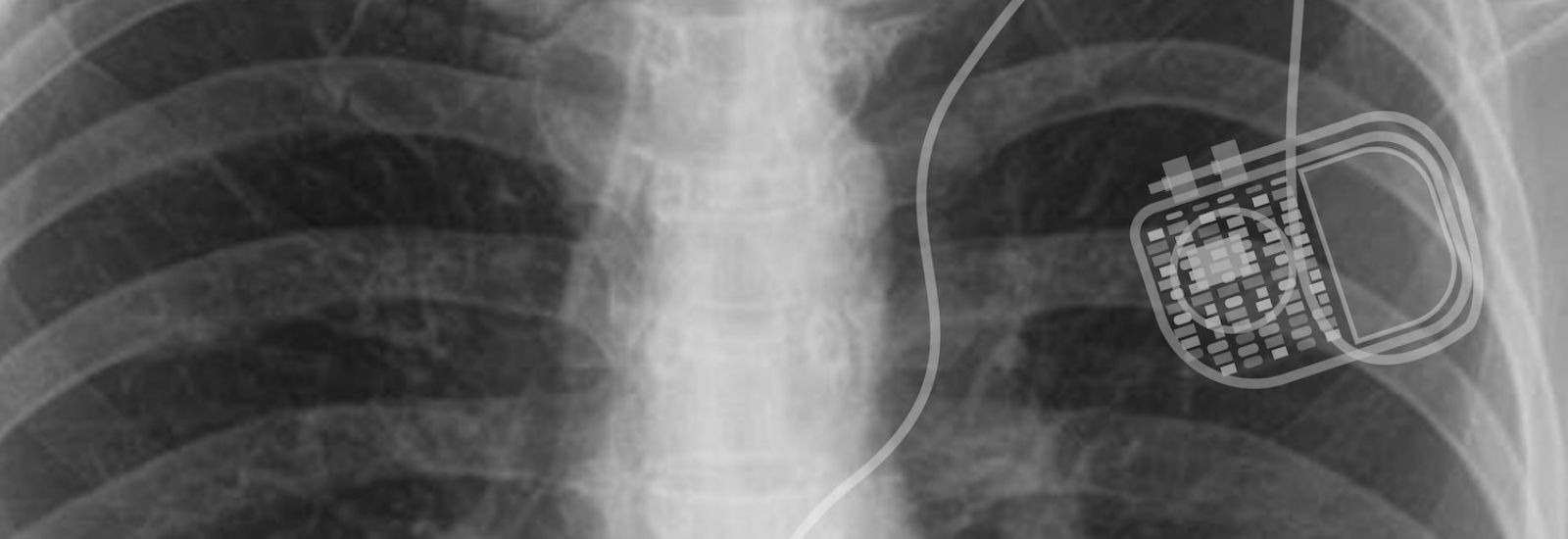
An Implantable Cardioverter Defibrillator (ICD) is a small, advanced device designed to detect and correct life-threatening heart rhythms such as ventricular tachycardia (VT) or ventricular fibrillation (VFib). These arrhythmias can lead to sudden cardiac arrest if not treated promptly.
At Premier Cardiology, our experienced electrophysiology team provides ICD implantation to protect patients at high risk of dangerous arrhythmias, ensuring rapid, automatic intervention when abnormal rhythms are detected.
Why ICD Implantation Is Recommended
ICD implantation is typically recommended for patients who:
- Have survived a sudden cardiac arrest
- Are at high risk of ventricular tachycardia or ventricular fibrillation
- Have a history of heart failure with reduced ejection fraction
- Experience recurrent life-threatening arrhythmias despite medications
- Require continuous monitoring and automatic correction of dangerous rhythms
ICDs are life-saving devices that provide immediate therapy to prevent sudden cardiac death.
How an ICD Works
The ICD procedure is performed in a cardiac catheterization or electrophysiology lab under local anesthesia with sedation:
- A small incision is made near the collarbone
- Leads are threaded through a vein into the heart to monitor electrical activity
- The ICD device is connected to the leads and placed in a pocket under the skin
- The device continuously monitors the heart rhythm and delivers a shock or pacing therapy when a dangerous arrhythmia is detected
Modern ICDs are sophisticated, programmable, and can distinguish between life-threatening arrhythmias and benign rhythm variations, delivering therapy only when necessary.
Benefits of ICD Implantation
- Provides immediate treatment for life-threatening arrhythmias
- Reduces risk of sudden cardiac arrest and cardiac death
- Monitors heart rhythm continuously
- Can work alongside a pacemaker if slow heart rhythms are present
- Allows patients to continue daily activities with confidence
- Minimally invasive with a relatively short recovery time
ICDs offer peace of mind for patients with high-risk arrhythmias and significantly improve long-term survival.
Recovery and Follow-Up
After ICD implantation:
- Patients typically remain in the hospital 1–2 days for monitoring
- Activity restrictions are advised for several weeks, especially on the arm near the implant site
- Regular follow-up includes device checks, EKG, and sometimes Holter Monitor or Event Monitor assessments
- Ongoing management of heart failure, high blood pressure, or other arrhythmias is coordinated with the cardiology team
Routine monitoring ensures the device functions properly and continues to provide life-saving therapy.
Frequently Asked Questions
Is ICD implantation safe?
Yes. It is a minimally invasive, well-established procedure performed by experienced specialists. Risks and considerations will be discussed at your consultation.
Will the device shock me?
The ICD delivers a shock only when a dangerous arrhythmia is detected, restoring a normal rhythm immediately.
How long does the device last?
ICDs typically last 5–10 years, depending on usage and battery life, and can be replaced during a routine procedure.
Learn more by scheduling a consultation with one of our cardiologists.