
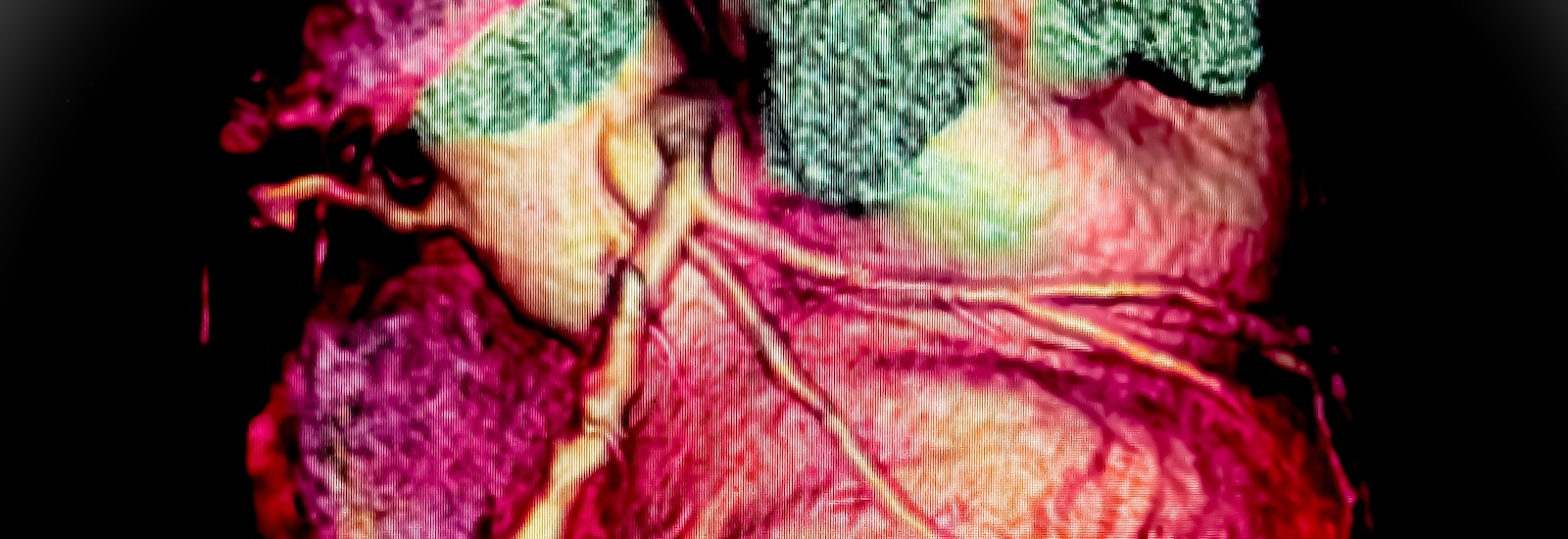
A CT Scan is a non-invasive imaging test that uses X-rays to produce detailed cross-sectional images of the heart and surrounding blood vessels. At Premier Cardiology, cardiac CT scans play a vital role in diagnosing coronary artery disease (CAD), evaluating structural heart issues, and guiding treatment decisions. This advanced imaging technology enables cardiologists to visualize the heart in unprecedented detail without invasive procedures.
Why a Cardiac CT Scan Is Recommended
Your cardiologist may recommend a cardiac CT scan if you have:
- Chest pain or angina
- Risk factors for coronary artery disease, such as high blood pressure, high cholesterol, diabetes, or a family history of heart disease
- Abnormal results from other tests such as an EKG, stress test, or echocardiogram
- Evaluation of coronary artery calcium (CAC) for risk stratification
- Planning for interventional procedures like angioplasty and stenting or TAVR
Cardiac CT scans are particularly valuable for patients who require precise imaging to assess coronary artery blockages, structural abnormalities, or cardiac function.
How the Procedure Works
A cardiac CT scan is a quick, painless procedure performed in a specialized imaging suite:
- You lie on a table that slides into a CT scanner.
- Electrodes may be placed on your chest to monitor your heart rate.
- Contrast dye is often injected into a vein to enhance visualization of blood vessels.
- The scanner captures detailed cross-sectional images of the heart and coronary arteries in real time.
- Images are analyzed by a cardiologist to identify abnormalities, blockages, or structural issues.
The scan typically takes 10–30 minutes, and most patients resume normal activities immediately afterward.
What a Cardiac CT Scan Can Detect
Cardiac CT scans provide comprehensive insight into heart health, including:
- Coronary artery blockages or narrowing
- Calcium buildup in arteries (coronary artery calcification)
- Structural abnormalities of heart chambers or valves
- Congenital heart defects
- Aneurysms or other vascular abnormalities
By detecting these conditions early, cardiac CT scans help guide preventive care, medication management, and potential interventional procedures.
Benefits of Cardiac CT Imaging
- Non-invasive and highly accurate
- Provides detailed images of heart and vessels
- Helps detect early signs of coronary artery disease
- Guides interventional procedures and treatment planning
- Reduces need for more invasive diagnostic tests in many cases
Preparation and Follow-Up
Before a cardiac CT scan, patients may be advised to:
- Avoid caffeine or certain medications that can affect heart rate
- Wear comfortable clothing without metal fasteners
- Inform the team of allergies to contrast dye or kidney issues
After the scan, your cardiologist will review the results and discuss next steps. Depending on findings, treatment may include lifestyle modifications, medications, further testing such as a cardiac catheterization, or interventional procedures like angioplasty and stenting.
At Premier Cardiology, our team ensures that every patient receives a clear explanation of results and a personalized plan to maintain optimal heart health.