
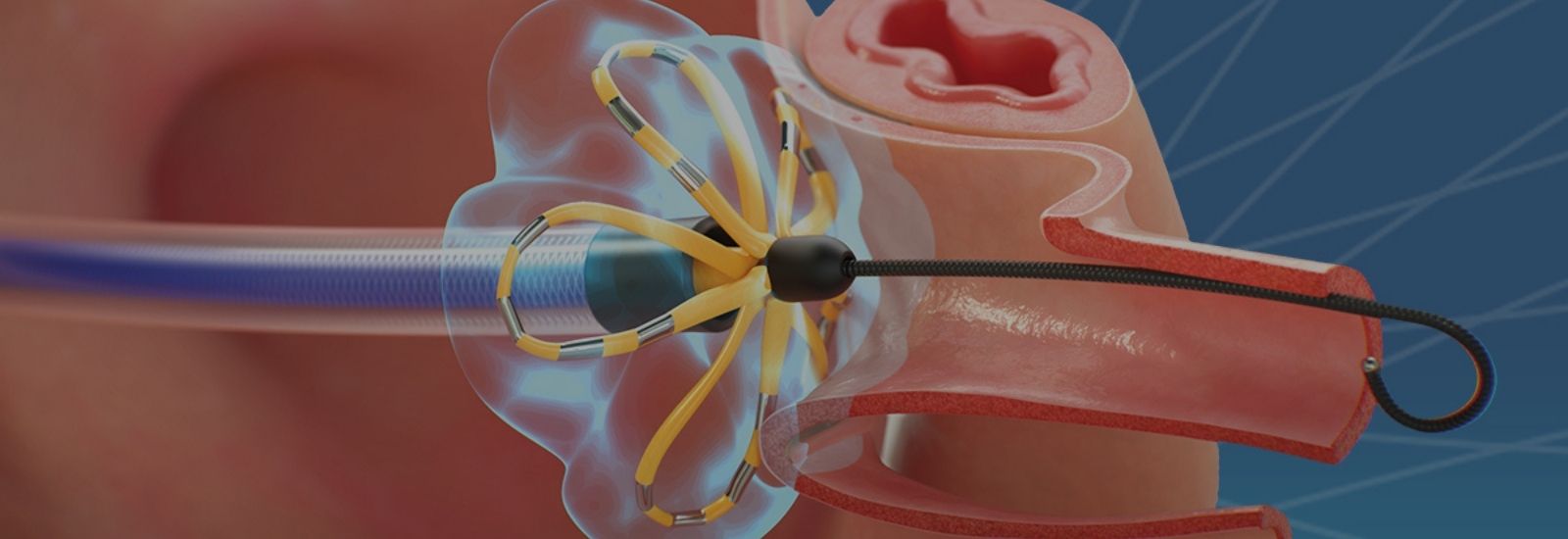
Pulsed Field Ablation (PFA) is an innovative, minimally invasive procedure used to treat atrial fibrillation (AFib). Unlike traditional ablation methods that use heat (radiofrequency) or freezing (cryoablation), which rely on thermal energy, PFA uses ultra-short electrical pulses to target abnormal heart tissue that causes irregular heartbeats selectively. This technique reduces the risk of damage to surrounding structures, such as nerves and blood vessels, making it a safer and highly effective option for restoring normal rhythm.
Our electrophysiology specialists use PFA to treat patients with symptomatic AFib who may not have responded to medications. PFA may also be tried if traditional ablation methods fail. This advanced technology allows for precise, targeted treatment while minimizing complications and recovery time.
When Pulsed Field Ablation Is Recommended
Your cardiologist may recommend PFA if:
- You have symptomatic atrial fibrillation not controlled with medications
- Previous Afib Ablation treatments were only partially successful
- You are at risk of stroke and require rhythm control
- You prefer a minimally invasive procedure with precise targeting of arrhythmic tissue
PFA is particularly effective for patients who require targeted isolation of areas triggering abnormal heart signals without affecting healthy tissue.
How Pulsed Field Ablation Works
PFA is performed in a specialized electrophysiology lab under sedation or general anesthesia:
- A catheter is inserted into a vein in the leg and guided to the heart
- Advanced mapping systems identify the areas generating abnormal electrical signals
- Ultra-short electrical pulses are delivered to selectively destroy the problem tissue while preserving surrounding structures
- The procedure restores normal electrical conduction and heart rhythm
PFA typically takes less time than traditional ablation, and the precision reduces the risk of complications, allowing patients to recover faster.
Benefits of Pulsed Field Ablation
- Highly selective targeting of abnormal tissue
- Minimally invasive with shorter procedure time
- Reduced risk of damage to the surrounding heart and esophageal structures
- Restores normal heart rhythm and reduces AFib symptoms
- Lowers the risk of stroke associated with atrial fibrillation
- Can reduce or eliminate the need for anti-arrhythmic medications
- Improves quality of life, energy, and exercise tolerance
Recovery and Follow-Up
After PFA, most patients experience a short recovery:
- Hospital stay is typically brief, often one night or less
- Resume light activities within a few days
- Follow-up EKG, Holter Monitor, or Event Monitor
- Temporary medications may be used to support a normal rhythm during recovery
- Lifestyle management of high blood pressure, high cholesterol, and obesity supports long-term success
Ongoing monitoring ensures the heart remains in a stable rhythm and helps prevent recurrence.
Frequently Asked Questions
Is Pulsed Field Ablation safe?
Yes. PFA is minimally invasive and uses precise targeting to minimize risk to surrounding tissue. Risks and considerations will be discussed at your consultation.
How does it differ from traditional ablation?
PFA uses electrical pulses instead of heat or freezing, reducing collateral damage while achieving similar or better results.
When will I notice improvement?
Many patients notice symptom relief within a few weeks, though full rhythm stabilization may take several months.
Learn more by scheduling a consultation with one of our cardiologists.