
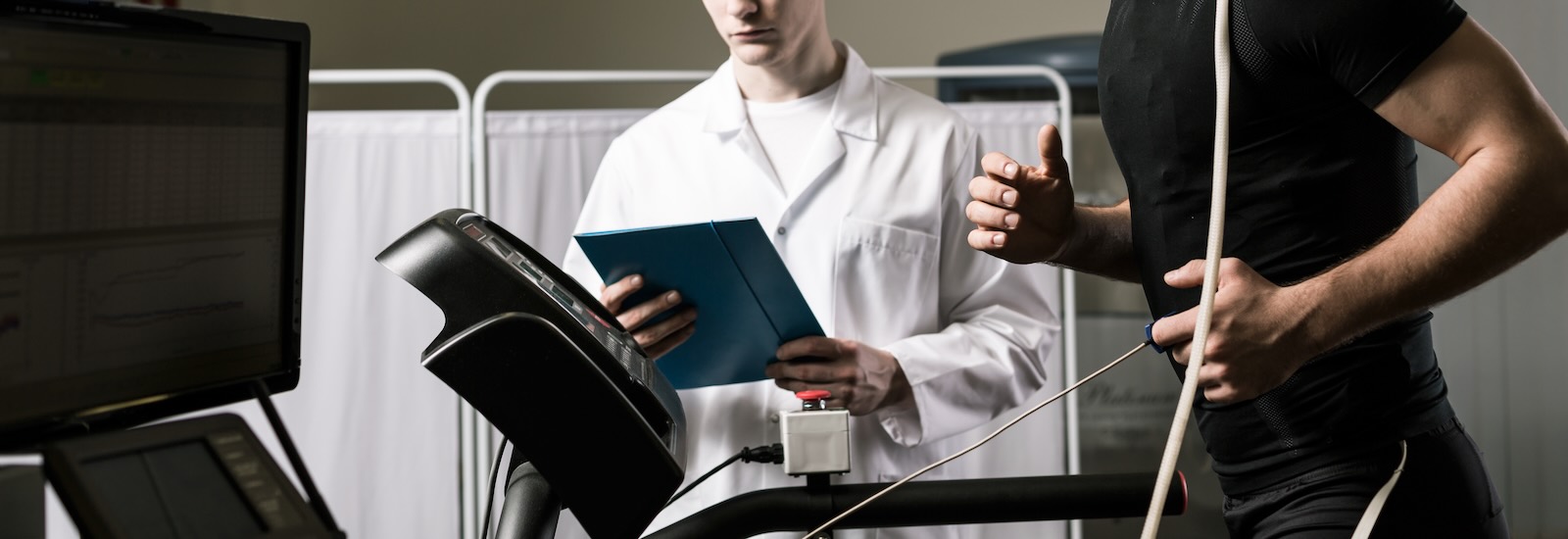
A Stress Test is a diagnostic procedure that evaluates how your heart functions under physical stress or simulated stress. Stress testing is crucial for detecting coronary artery disease (CAD), assessing heart function, and identifying conditions that may not appear during a resting EKG or other imaging studies. At Premier Cardiology, both exercise stress tests and nuclear stress tests are available to provide a comprehensive assessment of cardiovascular health.
Why Stress Testing Is Recommended
Stress tests are often recommended for patients who have:
- Chest pain or angina
- Risk factors for coronary artery disease, including high blood pressure, high cholesterol, obesity, diabetes, or family history
- Shortness of breath, palpitations, or fatigue during activity
- Abnormal results from an EKG or Echocardiogram
- History of heart attack, heart failure, or coronary artery disease
- Need to evaluate exercise tolerance and response to cardiac treatments
Stress tests help cardiologists determine if the heart receives adequate blood flow during activity, identify areas of ischemia, and guide preventive or interventional treatment planning.
Types of Stress Tests
Exercise Stress Test
- Patients walk on a treadmill or pedal a stationary bike while heart rate, blood pressure, and EKG are monitored.
- Exercise gradually increases to stress the heart safely.
- The test identifies abnormal heart rhythms, ischemia, or decreased heart function under stress.
Nuclear Stress Test
- A small amount of radioactive tracer is injected into the bloodstream.
- Images of blood flow to the heart are captured both at rest and during exercise (or medication-induced stress if physical exercise is not possible).
- The test identifies areas of reduced blood flow or heart muscle damage from a previous heart attack.
Both tests are non-invasive and generally well-tolerated, though nuclear stress tests provide more detailed functional and structural information about the heart.
What Stress Tests Can Detect
Stress testing can reveal:
- Coronary artery disease (CAD) or blockages
- Heart attack risk or prior myocardial infarction effects
- Abnormal heart rhythms (Atrial Fibrillation, Tachycardia, Bradycardia)
- Reduced heart function or heart failure
- Exercise capacity and overall cardiovascular fitness
By identifying heart problems under stress, these tests allow cardiologists to tailor treatments, such as medications, lifestyle interventions, or interventional procedures like angioplasty and stenting.
Benefits of Stress Testing
- Non-invasive and safe for most patients
- Detects heart problems that may not appear at rest
- Assesses exercise tolerance and functional capacity
- Guides personalized treatment and preventive care
- Helps evaluate the effectiveness of cardiac medications or procedures
After a Stress Test
- Patients can resume normal activities shortly after testing.
- Your cardiologist will review the results and discuss next steps.
- Depending on findings, further evaluation may include Cardiac Catheterization, CT Scan, or Cardiac MRI.
- Lifestyle, medication, or interventional recommendations may be provided to improve cardiovascular health.
At Premier Cardiology, stress testing is an essential tool for diagnosing and managing heart disease. It provides valuable insight into how your heart performs under stress and supports long-term heart health through accurate assessment and tailored treatment.