
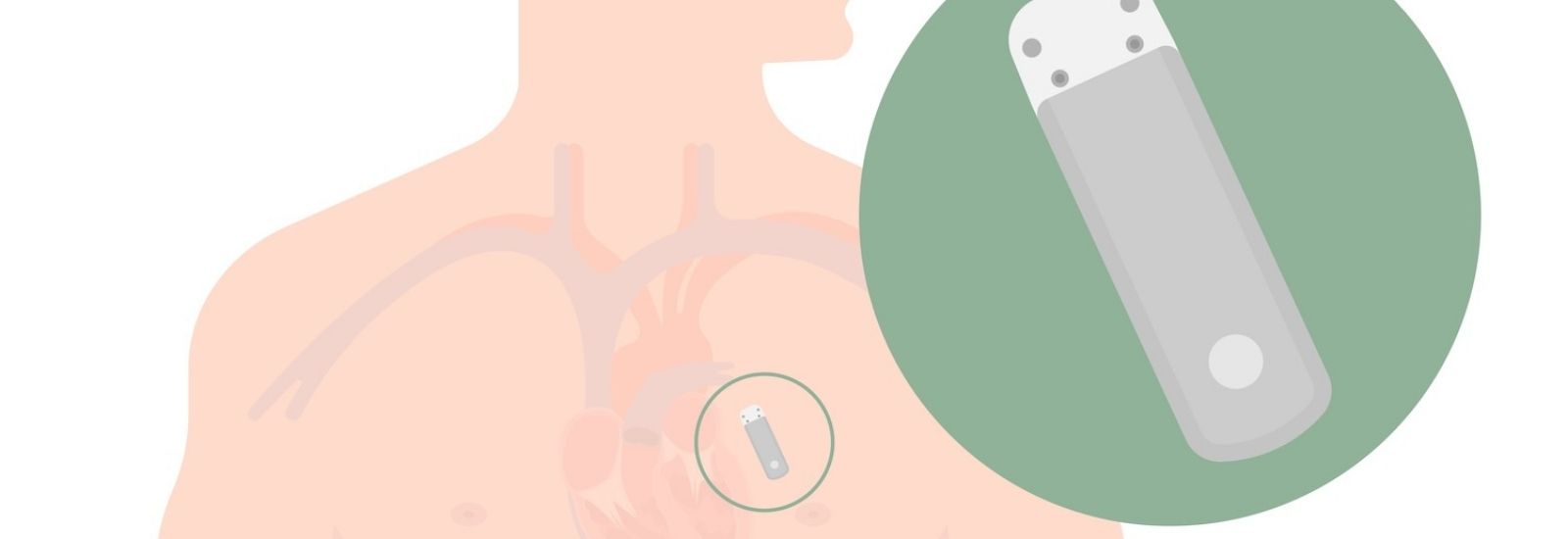
A Loop Recorder is a small, implantable device used for long-term monitoring of the heart’s electrical activity. Unlike short-term devices like an EKG, Holter Monitor, or Event Monitor, a Loop Recorder can continuously track heart rhythms for months or even years. This extended monitoring is ideal for detecting intermittent arrhythmias that occur infrequently but may carry significant health risks.
At Premier Cardiology, Loop Recorders are a critical tool for diagnosing conditions such as Atrial Fibrillation, Bradycardia, Tachycardia, and unexplained Syncope. The device provides valuable data that guides precise treatment and helps prevent complications like stroke or sudden cardiac arrest.
Why a Loop Recorder Is Used
Loop Recorders are recommended for patients who have:
- Unexplained fainting (Syncope) or dizziness
- Rare, intermittent palpitations or irregular heartbeats
- Suspected Atrial Fibrillation or Atrial Flutter not detected with short-term monitoring
- History of Ventricular Tachycardia or other life-threatening arrhythmias
- Need for long-term evaluation after catheter ablation, Pacemaker Implantation, or ICD placement
Because arrhythmias can be infrequent, Loop Recorders increase the likelihood of detecting abnormalities that other tests may miss.
How a Loop Recorder Works
A Loop Recorder is a minimally invasive device, about the size of a USB stick, implanted just under the skin of the chest. The implantation process includes:
- Administering local anesthesia to numb the area
- Making a small incision and inserting the device beneath the skin
- Closing the incision with minimal sutures
- Activating the device to record continuous heart rhythm data
The Loop Recorder monitors your heart automatically and can also be activated manually during symptoms. Data can be transmitted remotely to your cardiologist, allowing ongoing evaluation without frequent office visits.
What a Loop Recorder Can Detect
Loop Recorders provide continuous insight into your heart’s electrical activity and can detect:
- Atrial Fibrillation and Atrial Flutter
- Ventricular Tachycardia (VTach) and Ventricular Fibrillation (VFib)
- Bradycardia or unusually slow heartbeats
- Intermittent Tachycardia
- Unexplained Syncope or fainting episodes
- Effectiveness of pacemakers or ICDs
Benefits of Loop Recorders
- Long-term monitoring provides a more complete picture of heart rhythm
- Detects infrequent or asymptomatic arrhythmias
- Minimally invasive with a simple outpatient procedure
- Allows remote data transmission and monitoring
- Helps guide treatment decisions, including medications, Catheter Ablation, or device therapy
After Implantation
After a Loop Recorder is implanted, patients can usually resume normal activities within a few days. Follow-up appointments are scheduled to review data and ensure proper device function. Based on the recorded results, cardiologists may recommend:
- Adjustments to medications
- Interventional procedures such as Catheter Ablation
- Placement or programming of Pacemakers or ICDs
- Ongoing monitoring to prevent complications like stroke
Premier Cardiology provides expert guidance before, during, and after Loop Recorder implantation to ensure patients have a safe, comfortable experience and receive the most accurate long-term evaluation of their heart rhythm.