
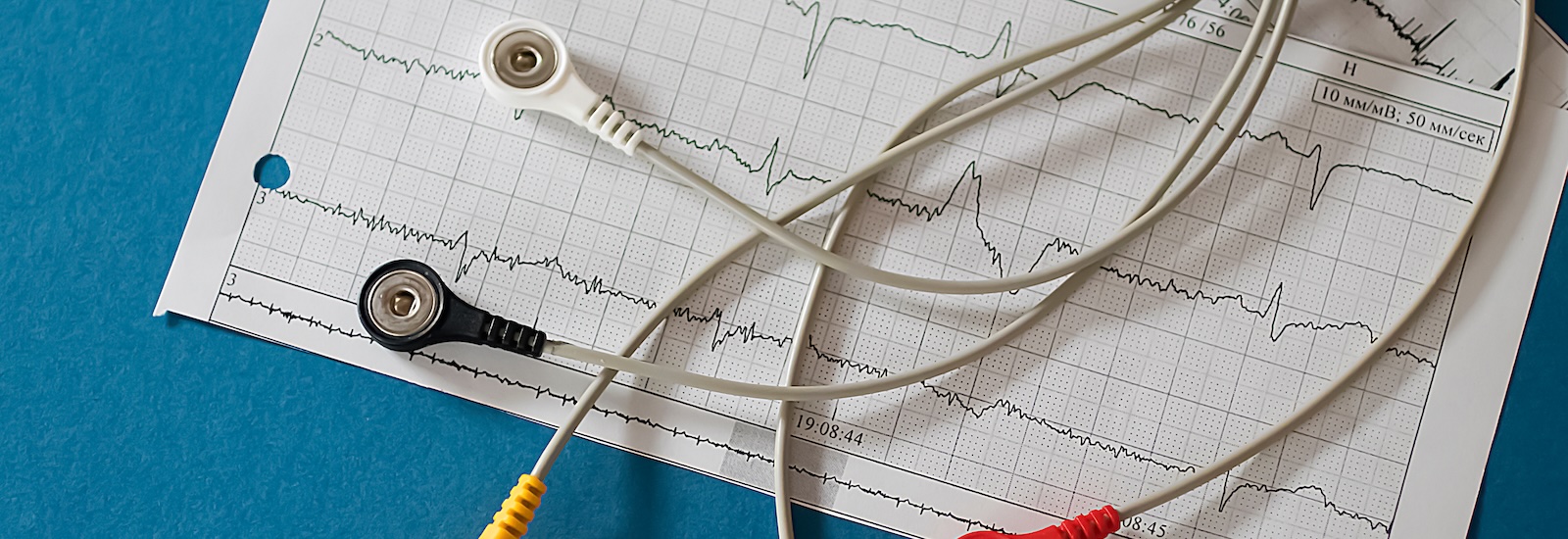
A Holter Monitor is a portable device that continuously records your heart’s electrical activity, usually for 24 to 48 hours. It is a key tool in diagnosing arrhythmias that may not appear during a standard EKG, especially if symptoms like palpitations, dizziness, or fainting (Syncope) occur intermittently.
At Premier Cardiology, we use Holter monitors to provide precise, real-time data on heart rhythms, allowing our cardiologists to identify abnormalities and guide effective treatment.
Why a Holter Monitor Is Needed
Many arrhythmias occur sporadically and may not be captured during a brief office EKG. The Holter monitor is designed to detect these intermittent abnormalities. It is particularly recommended for patients who experience:
- Unexplained palpitations
- Dizziness, fainting, or near-fainting episodes
- Atrial Fibrillation, Atrial Flutter, or Ventricular Tachycardia
- Heart rhythm concerns during daily activities
- Monitoring after catheter ablation, pacemaker implantation, or ICD placement
By continuously recording your heart’s electrical activity, the Holter monitor ensures that transient arrhythmias are documented and properly evaluated.
How the Holter Monitor Works
The device is small and lightweight, typically worn on a belt or shoulder strap. Electrodes are attached to your chest to detect electrical signals from the heart. The process includes:
- Attaching electrodes to your chest with adhesive pads.
- Connecting the electrodes to the portable Holter device.
- Wearing the device continuously while maintaining your usual daily activities.
- Keeping a log of symptoms, activities, and times of discomfort.
- Returning the device to the cardiology office for data analysis after 24–48 hours.
The Holter monitor is non-invasive, painless, and allows patients to go about their normal routine while recording essential cardiac data.
What the Test Can Detect
Holter monitoring can reveal a variety of heart rhythm problems, including:
- Atrial Fibrillation and Atrial Flutter
- Ventricular Tachycardia (VTach) and Ventricular Fibrillation (VFib)
- Bradycardia or unusually slow heartbeats
- Premature atrial or ventricular contractions
- Episodes of skipped or irregular beats
- Effectiveness of medications or implanted devices like pacemakers or ICDs
Benefits of Holter Monitoring
- Detects intermittent arrhythmias that may not appear on a single EKG
- Provides information for accurate diagnosis and treatment planning
- Evaluates the effectiveness of medications or cardiac devices
- Non-invasive and safe for most patients
After the Holter Monitor Test
Once the monitoring period is complete, the data is analyzed by your cardiologist. Results are reviewed to identify abnormal heart rhythms and determine the next steps, which may include:
- Adjusting medications for arrhythmias
- Scheduling further testing like an Event Monitor or Loop Recorder
- Planning Catheter Ablation or other interventions
- Long-term management of conditions such as Atrial Fibrillation
Patient Preparation and Follow-Up
There is minimal preparation required for a Holter monitor. Patients should:
- Continue normal activities but avoid excessive water or sweating that could dislodge electrodes
- Keep a symptom diary
- Return the device on schedule for accurate analysis
Premier Cardiology ensures patients receive detailed guidance before, during, and after monitoring to maximize diagnostic accuracy and support long-term heart health.