Arrhythmia Monitoring

EKG

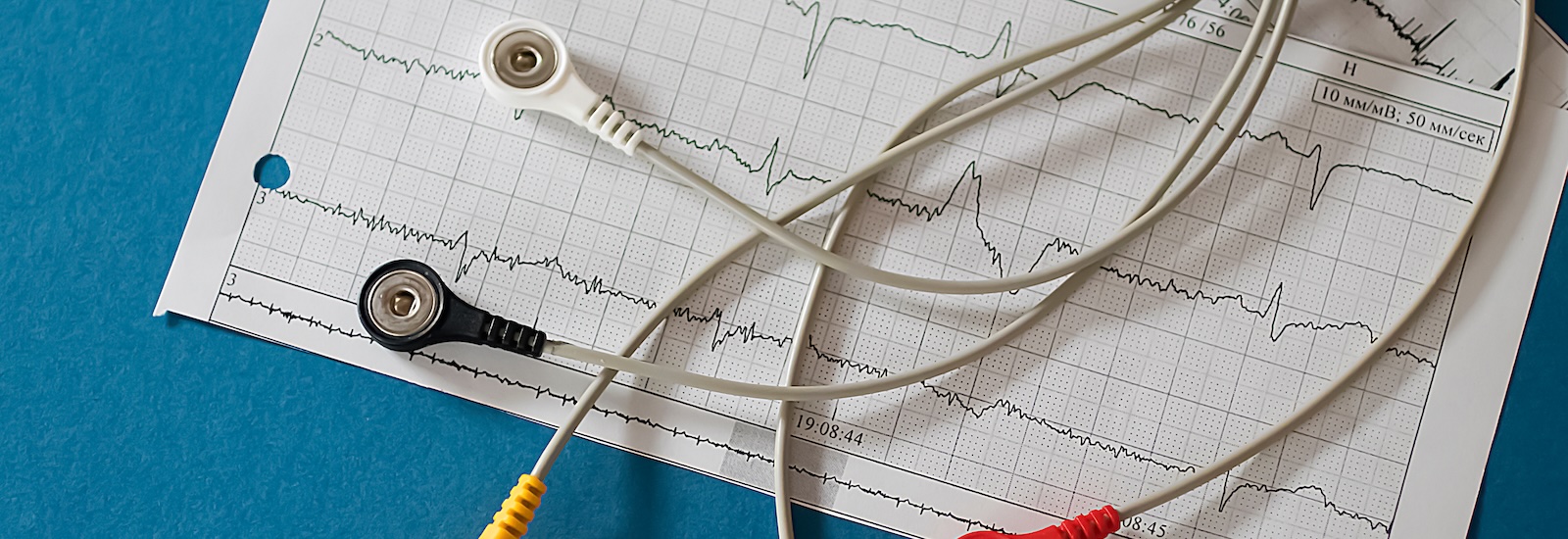
An EKG—short for electrocardiogram—is one of the most widely used and essential diagnostic tools in cardiology. This quick, painless test measures the electrical activity of your heart, helping detect arrhythmias, heart damage, structural abnormalities, and signs of poor blood flow. At Premier Cardiology, EKG testing forms the foundation of many cardiac evaluations and provides immediate, valuable insights into your heart’s function.

>EKG

Holter monitor

Holter monitoring is typically done to check an individual’s heart’s rhythm over a longer period of time (1-3 days). The Holter monitor is a recording device that can be worn. A diary of the day’s activities and any symptoms will assist the Cardiologist in determining if there is a rhythm problem. If the Holter monitor doesn’t reveal anything, the Cardiologist may recommend an Event Monitor where the patient can indicate and record specific times when symptoms may be occurring.

>Holter monitor

Event Monitor

An Event Monitor is a cardiac monitoring device designed to detect intermittent arrhythmias that may not appear during a standard EKG or Holter Monitor test. It is typically worn for several weeks, allowing cardiologists to capture abnormal heart rhythms as they occur during normal daily activities.

>Event Monitor

Loop Recorder

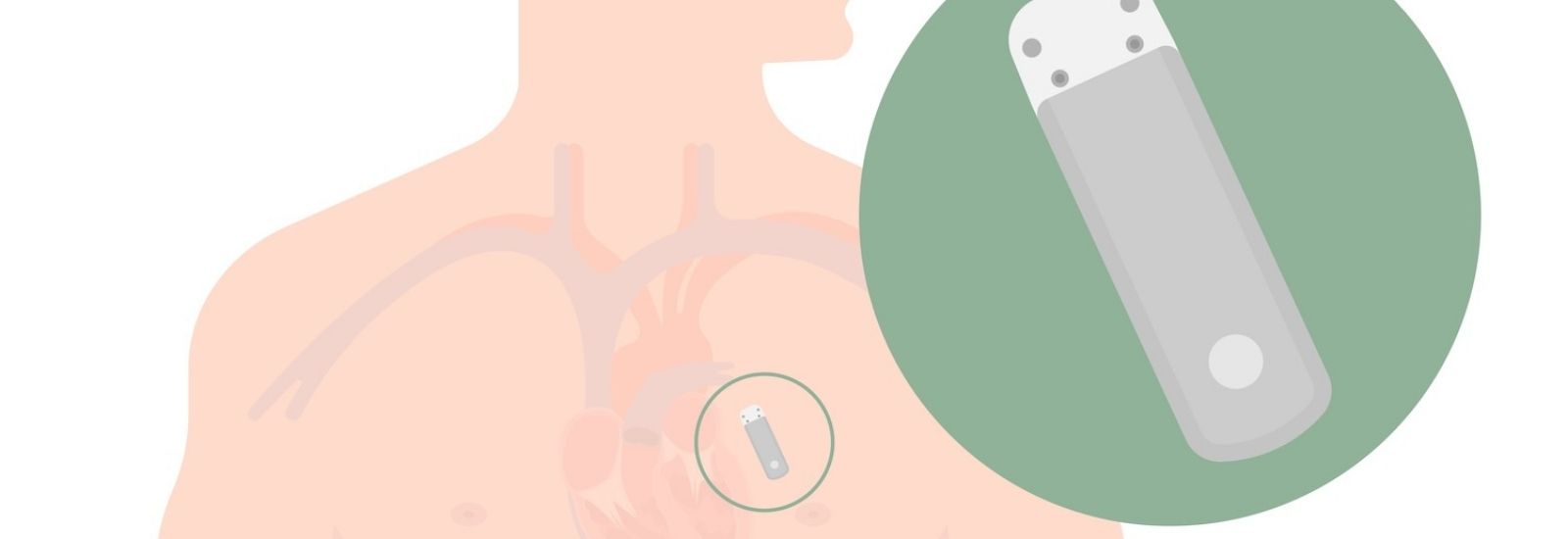
A Loop Recorder is a small, implantable device used for long-term monitoring of the heart’s electrical activity. Unlike short-term devices like an EKG, Holter Monitor, or Event Monitor, a Loop Recorder can continuously track heart rhythms for months or even years. This extended monitoring is ideal for detecting intermittent arrhythmias that occur infrequently but may carry significant health risks.

>Loop Recorder

Electrophysiology Study (EPS)

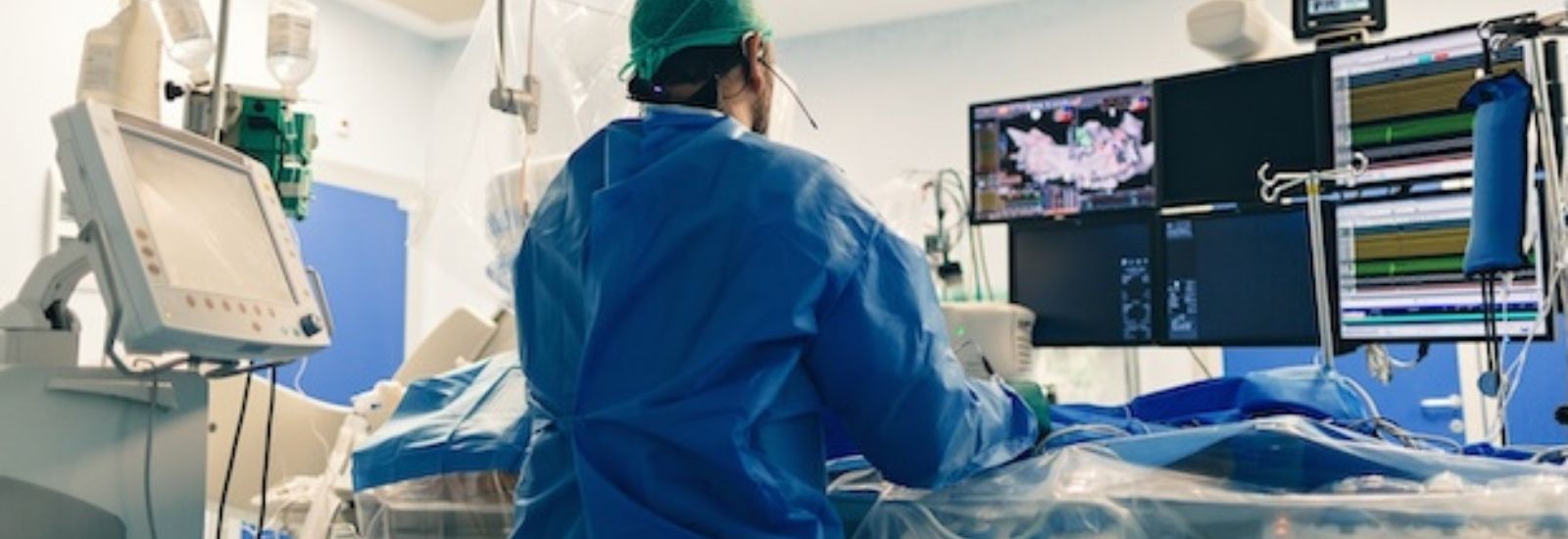
An Electrophysiology Study (EPS) is a specialized cardiac test used to evaluate the electrical system of the heart. It helps cardiologists pinpoint the source of abnormal heart rhythms (arrhythmias) and determine the most effective treatment. EPS is particularly valuable for patients experiencing unexplained palpitations, fainting (Syncope), or suspected life-threatening arrhythmias like Ventricular Tachycardia (VTach) or Ventricular Fibrillation (VFib).

>Electrophysiology Study (EPS)