
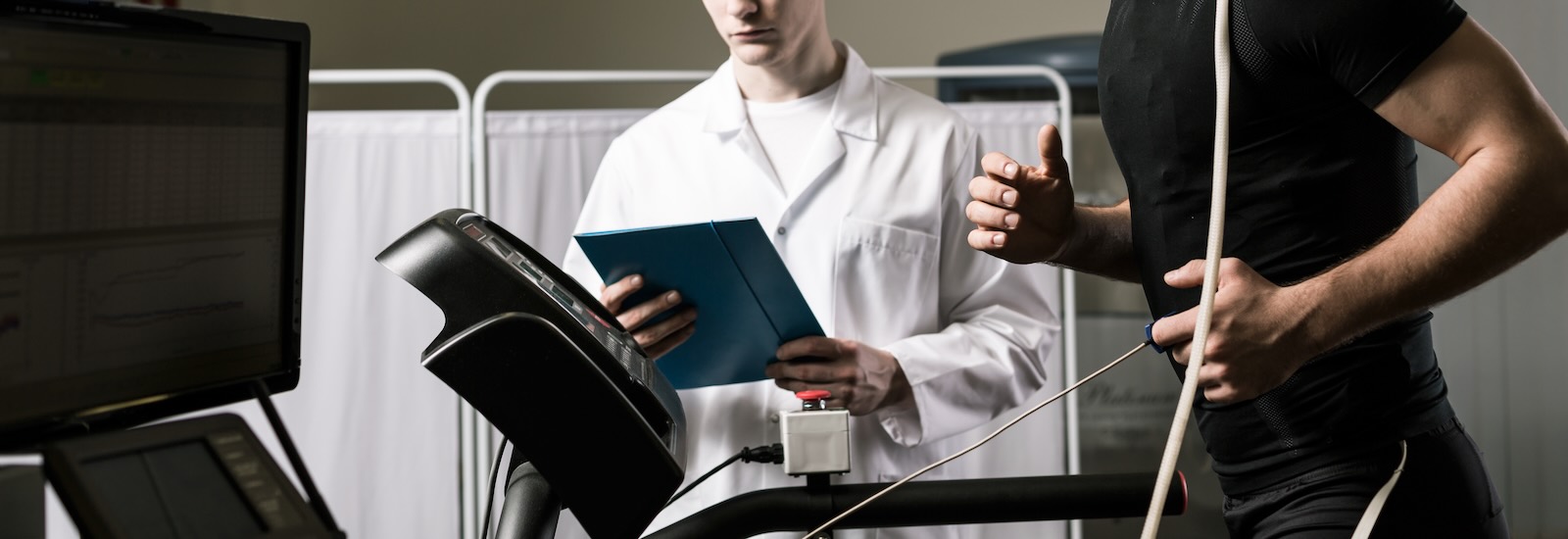
An Exercise Stress Test is a diagnostic procedure that evaluates the heart’s response to physical exertion. Unlike a resting EKG, which only captures the heart’s activity at rest, an exercise stress test measures heart function, blood flow, and rhythm under controlled stress. This test is commonly used to detect coronary artery disease (CAD), evaluate exercise tolerance, and identify abnormal heart rhythms such as Tachycardia, Bradycardia, or Atrial Fibrillation.
At Premier Cardiology, exercise stress tests provide valuable insight into cardiovascular health and help guide personalized treatment plans.
Why an Exercise Stress Test Is Recommended
Your cardiologist may recommend an exercise stress test if you have:
- Chest pain or angina during activity
- Shortness of breath, fatigue, or dizziness with exertion
- Suspected coronary artery disease or heart attack risk
- Abnormal findings on a resting EKG or Echocardiogram
- History of heart failure, high blood pressure, or high cholesterol
- Need to evaluate response to cardiac treatments or interventions
Exercise stress tests help identify issues that may not be detectable at rest and provide a functional assessment of cardiovascular health.
How the Procedure Works
The procedure is non-invasive and involves the following steps:
- Electrodes are attached to your chest to monitor EKG activity.
- You walk on a treadmill or pedal a stationary bike, gradually increasing intensity.
- Your blood pressure, heart rate, and breathing are monitored throughout.
- The test continues until you reach your target heart rate, develop symptoms, or until your cardiologist determines sufficient data is collected.
- Results are analyzed to assess blood flow, heart rhythm, and overall heart performance under stress.
The test is safe and typically lasts 10–20 minutes, followed by a cool-down period and observation.
What an Exercise Stress Test Can Detect
Exercise stress testing provides insight into cardiovascular function and helps detect:
- Coronary artery disease (CAD) or blockages
- Exercise-induced arrhythmias, including Tachycardia, Bradycardia, or Atrial Fibrillation
- Reduced heart function or heart failure
- Risk of heart attack
- Exercise tolerance and functional capacity
These findings allow your cardiologist to develop a personalized plan for lifestyle, medications, or further procedures, such as angioplasty and stenting.
Benefits of Exercise Stress Testing
- Non-invasive and safe for most patients
- Detects heart problems that may not appear at rest
- Evaluates functional capacity and exercise tolerance
- Identifies arrhythmias triggered by physical activity
- Guides personalized treatment and preventive care
After the Test
Patients typically resume normal activities shortly after the test. Your cardiologist will review the results and discuss recommendations, which may include:
- Lifestyle modifications such as diet, exercise, or stress management
- Adjustments to medications for coronary artery disease, heart failure, or high blood pressure
- Further testing or interventional procedures like Cardiac Catheterization or Angioplasty and Stenting
At Premier Cardiology, exercise stress testing is a vital diagnostic tool that provides a functional snapshot of heart health, enabling cardiologists to detect hidden heart conditions and implement effective treatments.